In today’s fast-evolving energy landscape, maintaining the reliability of power systems is more critical than ever. Faults in electrical grids, transformers, and transmission lines can lead to costly outages, safety hazards, and operational inefficiencies. To address these challenges, advanced fault detection technologies have become essential tools for utilities, industrial facilities, and energy service providers across the United States.
Methods for detecting faults in power systems
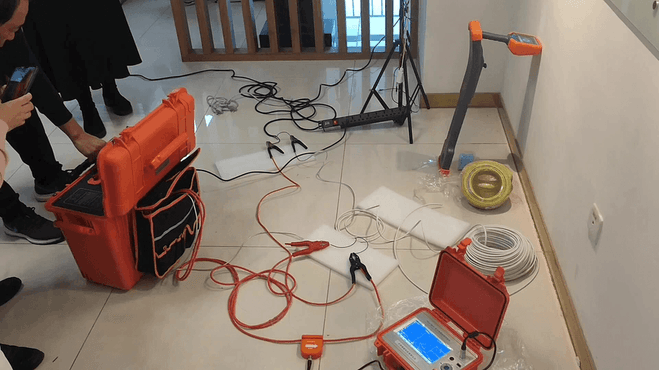
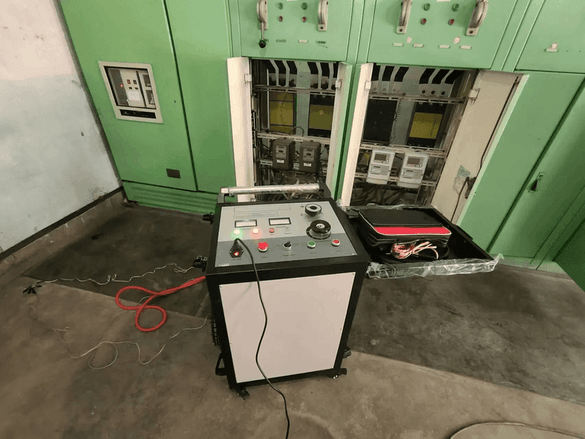
Modern fault detection combines both preventive diagnostics and real-time monitoring to identify potential issues before they escalate into major failures. One of the primary methods employed is high-voltage testing, which evaluates the insulation integrity of cables, transformers, and switchgear. This testing not only detects existing weaknesses but also predicts future deterioration, allowing maintenance teams to plan interventions proactively.
Another key technology is partial discharge (PD) analysis. PD occurs when electrical insulation in equipment starts to break down, producing small electrical sparks that may eventually lead to full-scale failures. Specialized PD sensors and diagnostic instruments can detect these minute discharges, even while equipment remains energized. By identifying these early warning signs, utilities can prevent costly downtime and extend the operational lifespan of critical assets.
Thermal imaging is also a widely adopted technique in fault detection. Overheated components, loose connections, and imbalanced loads generate abnormal heat patterns, which infrared cameras can detect with high precision. Thermal inspections are particularly effective for substations, transformers, and industrial electrical panels, offering a non-invasive way to assess equipment health.
Smart grid technologies have further transformed fault detection in energy systems. Real-time data analytics, IoT-enabled sensors, and automated control systems allow operators to monitor electrical networks continuously. When anomalies are detected, intelligent algorithms can pinpoint the fault location within milliseconds, significantly reducing response times. This level of precision not only enhances safety but also improves overall system efficiency.
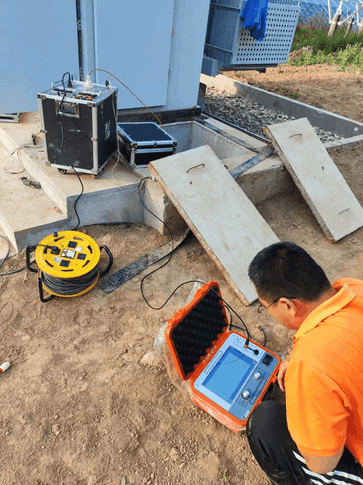
For energy-intensive industries, combining these technologies with predictive maintenance software provides a comprehensive approach. By analyzing historical data alongside real-time measurements, predictive analytics can forecast equipment failures and optimize maintenance schedules. This proactive strategy reduces unexpected outages, minimizes repair costs, and ensures compliance with industry regulations.
Investing in these advanced fault detection technologies is no longer optional—it’s a necessity for organizations that depend on uninterrupted power. From utility companies to industrial plants, the integration of high-voltage testing, partial discharge monitoring, thermal imaging, and smart grid analytics creates a resilient infrastructure capable of handling growing energy demands.
By leveraging these solutions, energy operators can improve operational efficiency, safeguard personnel, and deliver reliable electricity to consumers. In a competitive and safety-conscious market like the United States, staying ahead with modern fault detection is the cornerstone of sustainable energy management.
Why Choose HighVoltageControl Inc
With decades of experience in dielectric testing, HighVoltageControl Inc. delivers precision, reliability, and peace of mind. Our insulation testers are engineered for accuracy and built for demanding environments—trusted by professionals worldwide.
When you partner with us, you gain:
- Certified testing equipment
- Expert technical support
- Compliance-ready documentation
- Proven results in reducing risk and improving uptime
Investing in insulation testing means investing in safer systems, longer equipment life, and uninterrupted operations.